
 By Hellen Reta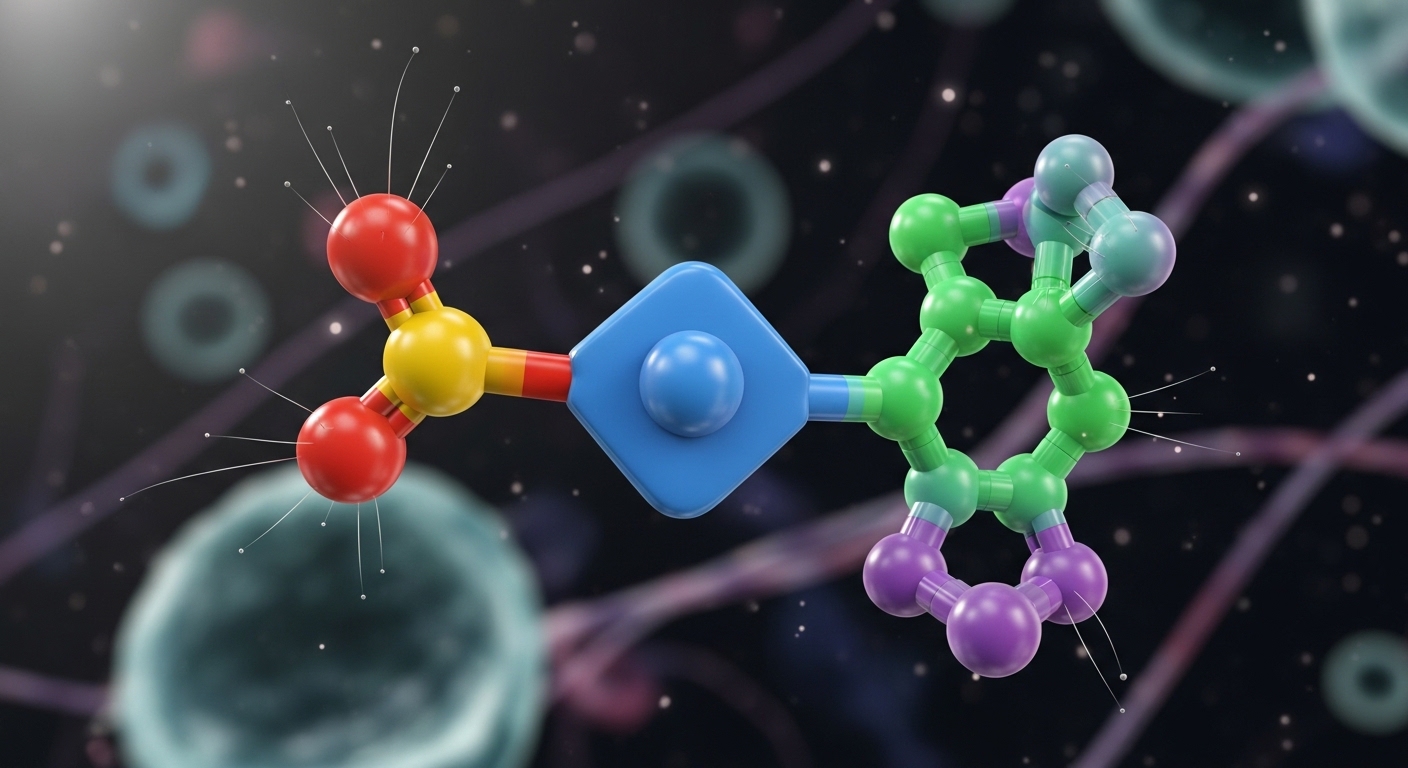
Nucleotides might not be a household name, but these tiny molecules play a monumental role in our health and well-being. Imagine them as the building Nucleotide blocks of life, essential for everything from cellular repair to energy production. Without nucleotides, our bodies would struggle to function effectively.
Have you ever wondered how our cells communicate or replicate? It all comes down to nucleotides. These remarkable compounds are at the heart of DNA and RNA, orchestrating the complex dance of genetic information that defines who we are.
In this post, we’ll dive deep into what nucleotides are, their crucial functions in your body, and how they’re synthesized naturally within us. Alongside this fascinating journey through molecular biology, we’ll also explore ways to enhance nucleotide levels through diet and supplements. Buckle up; it’s time to unlock the secrets behind these vital molecules!
The Role of Nucleotides in the Body
Nucleotides serve as the building blocks of life. They play a crucial role in forming DNA and RNA, which are essential for genetic information storage and transfer.
Beyond genetics, these molecules are vital for energy metabolism. Adenosine triphosphate (ATP), a nucleotide, powers cellular functions by providing energy wherever needed.
Nucleotides also act as signaling molecules. They help cells communicate effectively, ensuring that various bodily processes run smoothly.
Additionally, they contribute to metabolic pathways vital for synthesizing proteins and nucleic acids. This synthesis is fundamental to cell growth and repair.
The immune system relies on nucleotides too; they assist in producing antibodies that protect against pathogens. Their multifaceted roles make them indispensable for overall health and well-being.
The Three Components of a Nucleotide: Sugar, Phosphate, and Base
A nucleotide is a fundamental building block of life, and it consists of three key components.
First, there’s the sugar, which can be either ribose in RNA or deoxyribose in DNA. This sugar serves as the backbone for the entire structure, providing stability and support.
Next comes the phosphate group. It’s essential for creating bonds between nucleotides, linking them into long chains that form DNA and RNA strands. The phosphate also carries a negative charge, contributing to the overall polarity of these molecules.
We have nitrogenous bases—adenine, thymine (or uracil in RNA), cytosine, and guanine. These bases are vital for encoding genetic information. Their unique sequences determine everything from eye color to susceptibility to diseases.
Together, these components create a versatile unit that plays critical roles across various biological processes.
How Our Bodies Create Nucleotides
Our bodies synthesize nucleotides through various biochemical pathways. These processes primarily occur in the liver and involve a series of enzymatic reactions.
One key pathway is known as de novo synthesis. This method builds nucleotides from scratch using simple molecules like amino acids, carbon dioxide, and ribose sugar. It’s quite complex but essential for generating new nucleotide units.
Another important process is salvage metabolism. Instead of creating new nucleotides, this method recycles them from broken-down DNA and RNA components. It’s an efficient way to maintain nucleotide pools without expending too much energy.
Both pathways ensure that our cells have enough nucleotides to support vital functions such as DNA replication and repair. This balance is crucial for cell growth and division throughout our lives.
The Importance of Nucleotide Synthesis for Cellular Functions
Nucleotide synthesis is crucial for cellular functions. These molecules serve as the building blocks of DNA and RNA, essential for genetic information storage and transfer.
Without nucleotides, cells cannot replicate or divide properly. This impacts growth, repair, and overall maintenance of tissues in the body.
Moreover, nucleotides play a vital role in energy metabolism. They are components of ATP (adenosine triphosphate), which powers nearly all cellular processes.
In addition to their structural roles, nucleotides help regulate various biochemical reactions through signaling pathways. They act as coenzymes that facilitate enzymatic activities critical for metabolic functions.
A shortage in nucleotide synthesis can disrupt these intricate cellular processes. Consequently, this may lead to impaired immune responses or slower recovery from injury.
The synthesis of nucleotides ensures that our bodies function optimally at every level—from individual cells to complex organ systems.
Health Risks Associated with Nucleotide Deficiency
A deficiency in nucleotides can lead to significant health issues. These essential molecules are vital for DNA and RNA synthesis, which means that without adequate levels, cellular functions may falter.
Individuals with low nucleotide levels often experience fatigue and weakness. This is due to compromised energy production within cells. Furthermore, a weakened immune system can arise from insufficient nucleotide availability, making the body more susceptible to infections.
In children, nucleotide deficiency could impact growth and development. Their bodies require these molecules for rapid cell division and tissue repair.
Digestive health might also suffer because nucleotides play a role in maintaining gut integrity. This can lead to gastrointestinal disorders or imbalances in gut flora.
Mental clarity might diminish as well. Nucleotides are involved in neurotransmitter regulation, affecting mood and cognitive function over time.
Foods and Supplements That Can Boost Nucleotide Production
To enhance nucleotide production, incorporating specific foods into your diet can be beneficial. Foods rich in protein are particularly effective. Think of lean meats, fish, and dairy as excellent sources that provide the necessary building blocks for nucleotides.
To enhance nucleotide production, Nucleotide specific foods into your diet can be beneficial. Foods rich in protein are particularly.
Plant-based options also play a vital role. Legumes like lentils and chickpeas offer not only protein but essential vitamins too. Spinach and broccoli contain nutrients that support overall cellular health.
Supplements can serve as an alternative for those needing a boost. Nucleotide supplements are available on the market, often derived from yeast or algae. They may help individuals with increased demands due to physical stress or illness.
Additionally, consider adding whole grains to your meals—brown rice and quinoa are great choices packed with fibers and micronutrients that contribute to nucleotide synthesis in the body.
Conclusion
Nucleotides are vital components of our cellular machinery. They play a crucial role in various biochemical processes, including DNA replication and energy transfer. Understanding how our bodies create and utilize these essential molecules is important for overall health.
When nucleotide synthesis is disrupted, it can lead to significant health risks. A deficiency may impact cellular functions, affecting everything from immune responses to tissue repair. Recognizing the signs of insufficient nucleotide levels can help you take proactive steps toward better health.
Incorporating foods rich in nucleotides into your diet can make a difference. Lean meats, fish, eggs, nuts, and legumes are great sources that support healthy nucleotide production. Supplements are also available for those who want an extra boost.
Being aware of nucleotides’ significance allows us to appreciate their role in sustaining life at the most fundamental level.