
 By admin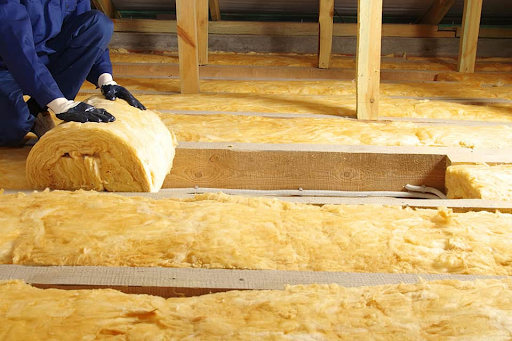
It has become an important step in recent years to insulate the lofts of your homes. Not only does it cut energy bills, but it also helps to create a pleasant living environment. So if you’re looking into loft insulation, you may be wondering if your loft will be eligible for an insulation grant. This loft insulation grants guide will take you through how to apply, should you be lucky enough to qualify for one, as well as the benefits and eligibility criteria.
Why Loft Insulation Matters
If you don’t know why loft insulation is so important yet, read on before asking the question: ‘What grants are available to help pay for loft insulation?’ One of the biggest energy wasters in homes is uninsulated lofts.
Heat naturally rises, so if your loft isn’t well insulated, your home will lose a lot of heat – especially during the colder months. Good insulation can make your home feel way warmer in winter and way cooler in summer, giving you better comfort and lower energy costs.
In addition, well-insulated lofts can reduce your carbon footprint. This is why insulating your loft is not just good for your bank balance, it’s good for the environment. It is a win-win situation. So now let’s see if your loft is worthy of insulation grants.
What is a Loft Insulation Grant?
A loft insulation grant is a way of funding the cost of your loft insulation. Government initiatives, non-profit organisations and energy companies may provide these grants to help reduce the environmental impact of homes and help them become much more energy efficient.
Insulation is supported in varied ways depending upon where you live, as different regions have different schemes and grant programs aimed specifically at insulation.
Loft insulation grants are available, which cover the entire cost, whereas some may only partially fund the process, making the entire process available to a broader range of homeowners.
Loft Insulation Grants – Eligibility Criteria
Loft insulation is only available through a grant, depending on your income, the condition of your loft and where you live. Here’s a closer look at the typical requirements:
1. Income and Financial Status
Many insulation grant programs are aimed at low-income households, as these are often the ones most in need of financial assistance for home improvements. If your household meets certain income criteria, you may be eligible for full or partial funding.
For example, programs may target individuals or families receiving certain benefits, such as Universal Credit, Pension Credit, or Disability Living Allowance.
2. Property Type and Location
Another factor that determines eligibility is the type of property you own. Most grant programs focus on homes that are privately owned, but some may also extend to renters or social housing tenants.
Additionally, grants are often region-specific, meaning eligibility can depend on the location of your property. Different regions may offer distinct schemes, such as those that target areas with older homes or those suffering from fuel poverty.
3. Existing Loft Insulation
Some insulation grant programs only cover properties that currently lack sufficient loft insulation. If your loft is already insulated but doesn’t meet the required standard (usually around 270mm of insulation material), you may still be eligible for funding to upgrade the existing insulation.
4. Energy Efficiency Rating
Some grant schemes assess the overall energy efficiency of your home. Properties that fall into lower energy efficiency ratings may be given priority for funding, as insulating these homes can lead to more significant energy savings.
5. Age and Condition of the Loft
The age and condition of your loft can also impact eligibility. If your home is older and the loft has fallen into disrepair, it may be more likely to qualify for a grant.
Some grants are specifically designed for homes built before a certain year, as older homes tend to have less efficient insulation and may benefit from updates.
Benefits of Loft Insulation Grants
Receiving a loft insulation grant can offer several advantages for homeowners. The most immediate benefit is the financial support it provides, reducing the upfront costs of installation. However, the long-term benefits can make a significant difference:
1. Lower Energy Bills
One of the main reasons homeowners opt for loft insulation is the potential for significant savings on energy bills.
A well-insulated loft can reduce the amount of heat lost through the roof, meaning your heating system won’t need to work as hard to maintain a comfortable temperature in your home. This leads to lower energy consumption and, ultimately, reduced heating bills.
2. Improved Comfort
Proper insulation helps maintain a consistent temperature throughout your home. During the winter, your home will stay warmer for longer periods, and in the summer, it will stay cooler. Insulation also reduces the likelihood of drafts and cold spots, contributing to overall comfort.
3. Increased Property Value
Insulating your loft can increase the energy efficiency of your home, which is an attractive feature for potential buyers. As energy-efficient homes become more desirable, the added insulation may boost your property’s value and help it sell faster if you ever decide to move.
4. Environmental Impact
By reducing your energy consumption, you are lowering your carbon footprint. Loft insulation helps minimise the need for heating and cooling, leading to less energy production and fewer carbon emissions.
This is a crucial step in supporting sustainability efforts and contributing to environmental conservation.
5. Government Support and Incentives
Aside from grants, many governments offer additional incentives, such as tax breaks, rebates, or low-interest loans, for homeowners who install energy-efficient systems like loft insulation. These incentives can further reduce the financial burden of the project.
How to Apply for Loft Insulation Grants
Applying for a loft insulation grant is usually a straightforward process. However, it does require some planning and research. Follow these steps to get started:
1. Check Eligibility
Before applying, it’s essential to confirm whether you qualify for a loft insulation grant in Wales. Check the eligibility requirements for the specific grant program you are interested in.
Many programs are targeted at low-income households or properties that need significant upgrades, so make sure to review the criteria carefully.
2. Consult with Insulation Providers
Once you’ve confirmed your eligibility, reach out to approved insulation providers who are familiar with the grant application process. These professionals can assess your loft and provide recommendations on the type of insulation that would be most effective for your home. They will also guide you through the application process, ensuring all necessary paperwork is submitted correctly.
3. Submit an Application
Applications for loft insulation grants can usually be completed online or in person. You will need to provide documentation that proves your eligibility, such as proof of income, utility bills, or other supporting documents. Be sure to complete the application accurately to avoid delays.
4. Get an Insulation Assessment
In most cases, an energy assessor will visit your property to evaluate the loft’s insulation needs. This assessment helps determine the type and amount of insulation required. It also allows the assessor to verify that your home meets the criteria for the grant.
5. Installation
Once your application is approved, the insulation provider will schedule the installation. The process is typically quick, with most loft insulation installations completed in just a few hours. The provider will handle all the necessary steps to ensure that your loft is insulated to the required standards.
6. Enjoy the Benefits
After installation, you can start enjoying the benefits of your newly insulated loft. Expect to see lower energy bills, a more comfortable home, and improved energy efficiency over time.
Conclusion
Loft Insulation Grants are given an opportunity for homeowners to become more energy efficient and cut heating costs. A loft insulation grant can be a godsend for those who qualify for it, helping you to ease the financial burden of installing insulation.
Loft insulation is a smart investment to reduce your energy consumption, improve comfort, and make a positive contribution to environmental sustainability.
Research into available programs, find out what you are eligible to do with that degree and take advantage of this truly important opportunity. Your home, wallet, and the planet will thank you!