
 By Hellen Reta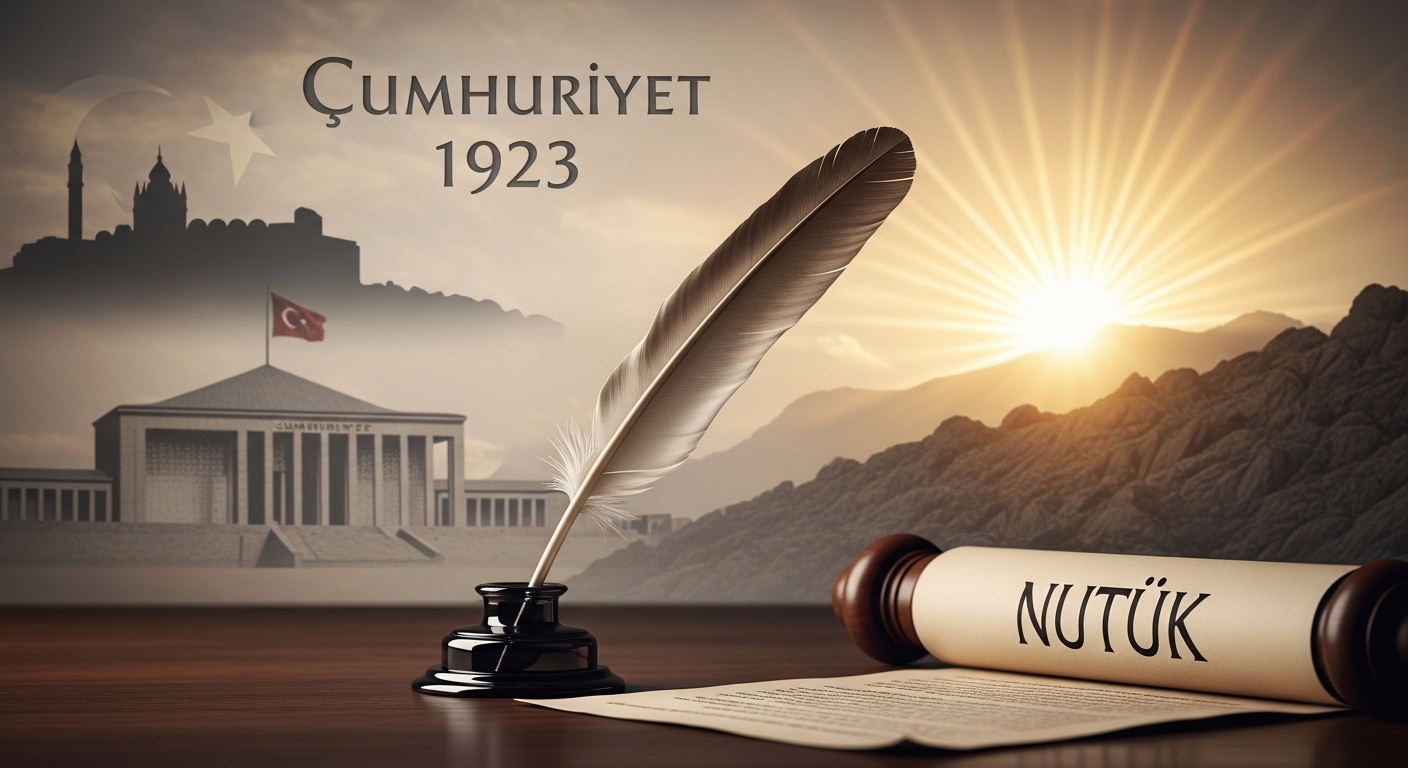
Cumhuriyet holds a special place in the hearts and minds of the Turkish people. It marks not just a shift in governance but also represents a bold vision for modernity and progress. Established on October 29, 1923, this groundbreaking transformation laid the foundation for Turkey as we know it today. The establishment of Cumhuriyet was more than merely declaring independence; it symbolized hope, ambition, and an unwavering commitment to building a nation that embraced contemporary ideals while respecting its rich cultural heritage.
As we delve deeper into this pivotal moment in history, we’ll explore how Cumhuriyet shaped Turkey’s identity through reforms led by Mustafa Kemal Atatürk. We’ll uncover the social, political, and cultural changes that followed its inception and examine both the challenges faced along the way and its enduring legacy in today’s world. Join us on this journey to discover why Cumhuriyet continues to resonate so profoundly within Turkey’s narrative.
The Formation of the Republic of Turkey
The formation of the Republic of Turkey in 1923 marked a pivotal moment in history. It emerged from the ashes of the Ottoman Empire, which had dominated for centuries. The end of World War I left Turkey facing immense challenges. Mustafa Kemal Atatürk, a visionary leader, played a crucial role in this transformation. He galvanized national pride and rallied support for independence against foreign occupation.
On October 29, 1923, Turkey was officially declared a republic. This shift from monarchy to democracy signified hope for many citizens seeking modern governance. Atatürk’s vision included secularism and nationalism as core tenets. These ideals would reshape Turkish identity and politics moving forward. The establishment set forth new paths for education, law, and social structure that still resonate today. The republic’s formation wasn’t merely political; it represented a cultural awakening yearning for progress and unity among its people.
Atatürk’s Reforms and Their Impact on Modern Turkey
Mustafa Kemal Atatürk, the founder of modern Turkey, implemented a series of transformative reforms that reshaped the nation. His vision was clear: to create a secular, progressive state that embraced Western ideals. One significant change was in education. Atatürk prioritized literacy and established schools across the country. This laid the groundwork for an educated populace capable of contributing to national development.
The introduction of new laws reformed various sectors, including women’s rights. Women gained the right to vote and participate actively in public life—an unprecedented shift in Turkish society. Atatürk also focused on cultural transformation. He replaced Arabic script with Latin characters, making reading and writing more accessible. This move helped unify the country linguistically and culturally. These reforms ignited a sense of nationalism among citizens while fostering an environment where modernity could thrive alongside tradition.
Social, Cultural, and Political Changes under Cumhuriyet
The establishment of Cumhuriyet marked a pivotal shift in Turkey’s social and cultural landscape. The abolition of the Sultanate and Caliphate set the stage for a secular society. Religious influence on governance diminished, allowing new ideologies to flourish.
Women gained unprecedented rights during this era. They were granted the right to vote and stand for election, significantly altering gender dynamics within Turkish society. Education reforms also played a vital role, promoting literacy and modern educational practices.
Culturally, there was a push towards Westernization. The adoption of Latin script replaced Arabic letters, making literature more accessible to the populace. Artistic expressions began embracing modern styles while preserving elements of traditional heritage.
Politically, Cumhuriyet introduced multi-party systems that encouraged diverse political dialogue. This transition fostered democratic principles but also led to tensions as various groups struggled for representation in an evolving nation.
Challenges and Controversies Surrounding Cumhuriyet
Cumhuriyet, while celebrated for its progressive vision, has faced numerous challenges since its inception. The rapid reforms imposed by Mustafa Kemal Atatürk stirred significant resistance among conservative and religious factions. Many viewed these changes as a threat to their traditional values.
The secularization of the state sparked debates about the role of religion in public life. These discussions often intensified socio-political divisions within society. Some communities felt alienated from the new national identity being forged.
Moreover, ethnic tensions emerged as various minority groups sought recognition and rights under a predominantly Turkish narrative. Issues related to Kurdish identity remain particularly contentious even today.
Debates surrounding freedom of expression have also been prevalent throughout Cumhuriyet’s history. Government crackdowns on dissenting voices raised concerns over human rights and democracy in modern Turkey, underscoring ongoing tensions between progressivism and tradition.
The Legacy of Cumhuriyet in Modern-Day Turkey
The legacy of Cumhuriyet continues to shape modern Turkey in profound ways. It instilled a sense of national identity that transcends ethnic and cultural differences. This unified vision is evident in the country’s commitment to secularism, which remains a cornerstone of Turkish society.
Education has also been transformed by Cumhuriyet’s ideals. The emphasis on literacy and scientific advancement paved the way for a more educated populace, fostering innovation across various sectors.
In politics, the principles established during this era have influenced democratic practices. While challenges persist, the foundation laid by Cumhuriyet advocates for active civic participation and accountability within governance.
Culturally, there’s an enduring appreciation for arts and literature that reflects progressive values. Contemporary artists often draw inspiration from this transformative period, making it relevant even today.
Through these various lenses, one can see how deeply ingrained Cumhuriyet’s impact is within Turkey’s societal fabric.
The Enduring Influence of Cumhuriyet
Cumhuriyet continues to shape Turkey’s identity, deeply embedded in its social fabric. The principles established by Mustafa Kemal Atatürk resonate with citizens across generations.
Education remains a cornerstone of this influence. Modernized curricula promote critical thinking and secularism, fostering an informed citizenry that values democratic ideals.
Culturally, Cumhuriyet sparked a renaissance in arts and literature. Writers and artists draw inspiration from the progressive ethos it championed, contributing to a vibrant cultural landscape that reflects contemporary Turkish society.
Politically, the republic’s legacy inspires ongoing debates about democracy and governance. Citizens engage actively in discussions surrounding civil rights and freedoms rooted in republican principles.
The spirit of Cumhuriyet is evident during national celebrations as well. These events remind Turks of their shared history while instilling pride in their achievements since 1923. It serves as both a reminder of past struggles and motivation for future progress.
Conclusion
Cumhuriyet stands as a powerful symbol of transformation and progress within Turkey. Established in 1923, it marked the transition from an empire to a modern nation-state. Through the vision of Mustafa Kemal Atatürk, foundational reforms reshaped society, culture, and governance.
The principles set forth during this era continue to influence contemporary Turkish life. The legacy of Cumhuriyet is evident in education, women’s rights, and secularism—cornerstones that empower citizens today. While challenges persist and debates surrounding its values arise, the essence of Cumhuriyet endures.
As Turkey navigates its complex history and future aspirations, the spirit of Cumhuriyet remains a guiding force for many. It serves not only as a reminder of past achievements but also as inspiration for ongoing efforts toward democracy and modernization in modern-day Turkey.