
 By admin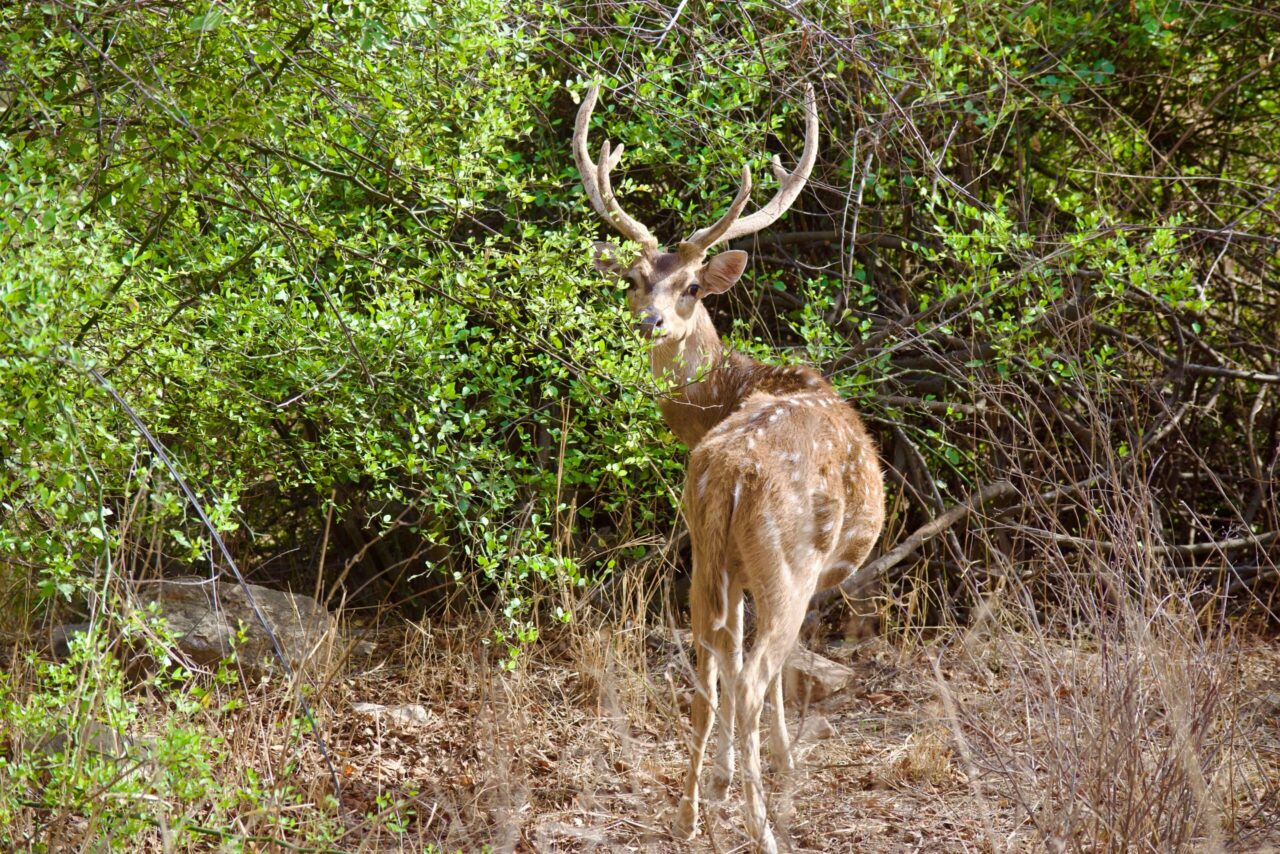
Rajasthan is often celebrated for its royal palaces, desert landscapes, and vibrant culture, but beyond its forts and heritage lies an equally captivating world of forests, wetlands, and wildlife sanctuaries. Wildlife Tourism in Rajasthan offers nature lovers an unforgettable opportunity to explore diverse ecosystems, spot rare species, and experience conservation-driven travel. From dense tiger reserves to bird-filled wetlands, Rajasthan proves that it is much more than just a desert state.
Why Rajasthan Is a Paradise for Wildlife Enthusiasts
Rajasthan’s varied geography includes dry deciduous forests, grasslands, rocky hills, and wetlands, creating ideal habitats for a wide range of wildlife. The state is home to majestic Bengal tigers, Asiatic leopards, sloth bears, desert foxes, and over 500 species of birds. Well-managed national parks and sanctuaries make wildlife viewing accessible, safe, and enriching for travelers.
What makes Wildlife Tourism in Rajasthan special is the combination of nature, history, and culture. Many reserves are located near historic cities, allowing travelers to blend safaris with sightseeing and local experiences.
Top Wildlife Destinations in Rajasthan
Ranthambore National Park
Ranthambore is one of India’s most famous tiger reserves and a must-visit destination for wildlife lovers. Known for its high tiger-spotting probability, the park also shelters leopards, wild boars, marsh crocodiles, and a wide variety of birds. The ancient Ranthambore Fort inside the park adds a dramatic historical backdrop to wildlife safaris.
Sariska Tiger Reserve
Located in the Aravalli hills, Sariska Tiger Reserve offers a scenic and less crowded alternative to Ranthambore. Apart from tigers, visitors can spot striped hyenas, jackals, sambars, and langurs. The reserve’s landscape of rocky plateaus and dry forests provides excellent photography opportunities.
Keoladeo Ghana National Park (Bharatpur)
A UNESCO World Heritage Site, Keoladeo Ghana National Park is a paradise for birdwatchers. Migratory birds from Siberia, Central Asia, and Europe flock here during winter. Over 370 bird species, including painted storks, pelicans, and egrets, make this park one of the finest bird sanctuaries in Asia.
Desert National Park, Jaisalmer
For those curious about desert wildlife, Desert National Park showcases a unique ecosystem. It is one of the last strongholds of the critically endangered Great Indian Bustard. Desert foxes, chinkaras, and migratory birds thrive in this harsh yet beautiful environment.
Mount Abu Wildlife Sanctuary
Nestled in the Aravalli Range, this sanctuary offers a refreshing contrast to Rajasthan’s dry landscapes. The cool climate and green forests are home to leopards, jungle cats, porcupines, and a variety of flora, making it ideal for nature walks and eco-tourism.
Best Time to Experience Wildlife Tourism in Rajasthan
The ideal time for Wildlife Tourism in Rajasthan is between October and April, when the weather is pleasant and wildlife sightings are frequent. Summer months (April to June) are particularly good for spotting big cats near water sources, while winter is perfect for birdwatching, especially in Bharatpur. Monsoon season usually sees partial park closures but enhances the natural beauty of the forests.
Safari Experiences and Activities
Most wildlife parks in Rajasthan offer jeep and canter safaris led by trained guides. These safaris follow strict rules to ensure visitor safety and animal conservation. Apart from safaris, visitors can enjoy:
- Nature walks and eco-trails
- Birdwatching tours
- Wildlife photography
- Interpretation centers and museums
These experiences help travelers understand the importance of preserving fragile ecosystems while enjoying nature responsibly.
Combining Wildlife with Cultural Exploration
One of the biggest advantages of traveling in Rajasthan is the ability to combine wildlife adventures with cultural sightseeing. Jaipur, the state capital, serves as a perfect gateway for this blend. After exploring nearby sanctuaries like Sariska, travelers can discover Tourist Places to Visit in Jaipur such as Amber Fort, City Palace, Jantar Mantar, Hawa Mahal, and vibrant local markets. This mix of wildlife and heritage creates a well-rounded travel experience.
Responsible Wildlife Tourism
Sustainable travel plays a crucial role in protecting Rajasthan’s wildlife. Visitors are encouraged to:
- Follow park rules and respect animal habitats
- Avoid littering and loud behavior
- Choose eco-friendly accommodations
- Support local communities and guides
Responsible Wildlife Tourism in Rajasthan ensures that future generations can continue to enjoy these natural treasures.
Tips for Nature Lovers Visiting Rajasthan
- Book safaris in advance, especially during peak season
- Wear neutral-colored clothing for better wildlife sightings
- Carry binoculars and cameras with zoom lenses
- Stay hydrated and follow guide instructions
Conclusion
Rajasthan offers an extraordinary wildlife experience that goes beyond traditional safaris. From tiger reserves and bird sanctuaries to desert ecosystems and hill forests, Wildlife Tourism in Rajasthan caters to every kind of nature lover. When paired with iconic attractions and Tourist Places to Visit in Jaipur, the journey becomes even more enriching. Whether you are an adventure seeker, birdwatcher, photographer, or conservation enthusiast, Rajasthan promises a wildlife journey filled with discovery, beauty, and unforgettable moments.