
 By admin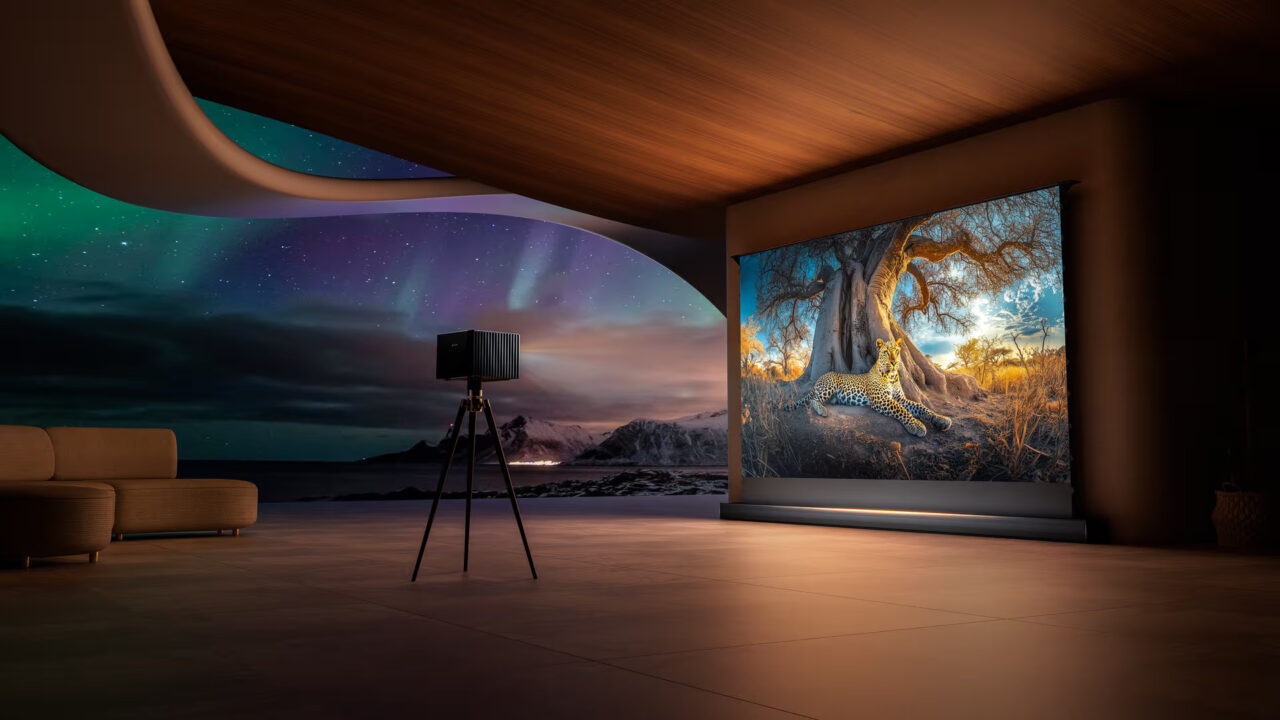
For decades, the television set was the undisputed king of the living room. Families arranged their furniture around it, and as technology advanced, screens grew wider, brighter, and thinner. However, a significant shift is currently underway in the world of home entertainment. A growing number of cinephiles, gamers, and casual viewers are abandoning the traditional flat panel in favor of projection technology. This migration is not merely a trend but a response to the limitations of televisions and the rapid maturation of laser projection capabilities. The desire for a truly immersive, cinema-like experience at home has driven this change, fundamentally altering how we design our living spaces and consume content.
The Unmatched Scale of the Cinema Experience
The primary driver behind the adoption of projectors is the sheer scale of the image. While television manufacturing has pushed the boundaries up to 85 or even 98 inches, these units are often prohibitively expensive and logistically difficult to manage. In contrast, a projection setup effortlessly unlocks screen sizes of 100, 120, or even 150 inches. This difference in size is not just about novelty; it changes the viewer’s field of vision.
To achieve a true theater experience, the screen must occupy a significant portion of your peripheral vision. This level of immersion creates a sense of presence that a standard television, regardless of its resolution, struggles to replicate. When watching a sweeping landscape shot or an intense action sequence, a 120-inch screen pulls the viewer into the narrative in a way that a 65-inch box simply cannot. For movie lovers, this optical dominance is the closest one can get to the local multiplex without leaving the house.
Aesthetic Versatility in Modern Living Spaces
A massive television comes with a significant aesthetic drawback: when it is turned off, it is essentially a giant, black void that dominates the room. As screens get larger, this “black hole” effect becomes more pronounced, often clashing with interior design and acting as a focal point even when not in use.
Projectors offer a level of invisibility that televisions cannot match. A modern projection system can be ceiling-mounted or placed on a shelf, effectively disappearing from view. Coupled with a retractable screen that rolls into a ceiling casing or a floor-rising mechanism, the technology allows a living room to function as a stylish, open social space by day and transform into a dedicated cinema by night. This flexibility is particularly appealing to renters and homeowners who prefer their technology to blend seamlessly into their decor rather than define it.
The Science of Eye Comfort and Reduced Fatigue
As binge-watching sessions and movie marathons become common, eye strain has become a genuine concern. Televisions use emissive light, meaning the light originates from the screen and travels directly into the eyes of the viewer. Over long periods, this direct intensity, often coupled with high blue light output, can lead to visual fatigue and discomfort.
Projectors utilize reflected light. The image is cast onto a screen surface, which then diffuses the light back toward the audience. This process mimics how we see natural objects in the real world and is generally softer and less aggressive on the eyes. This diffuse reflection significantly reduces the strain associated with prolonged viewing, making projection a healthier choice for families and those who enjoy extended gaming or movie sessions.
Technological Leaps in Projection Performance
Historically, televisions held the advantage in terms of brightness, contrast, and resolution. However, the gap has narrowed significantly, and in some areas, projection technology has leapfrogged traditional panels. The introduction of triple-laser light sources has revolutionized color accuracy, allowing top-tier projectors to cover the vast majority of the Rec. 2020 color gamut—a standard that many televisions still struggle to reach.
Resolution is no longer a compromise. The market is now populated with devices that deliver razor-sharp, pixel-perfect images. Investing in the best 4K projector ensures that every detail, from the grain of film to the texture of a costume, is rendered with precision. Furthermore, advancements in tone mapping and high dynamic range (HDR) allow these devices to handle complex lighting scenes with depth and nuance.
For the serious enthusiast, the goal is color fidelity that matches the director’s intent. To truly replicate the mastering studio’s output, selecting the best movie projector often involves looking for models that utilize advanced RGB laser engines. These units eliminate the need for color wheels, providing pure, vibrant light that maintains its integrity even at massive screen sizes.
Cost Per Inch: The Economic Argument
When comparing the price-to-performance ratio, projectors often win the battle of economics, particularly at the high end of screen sizes. A quality 85-inch television is a significant investment, but stepping up to a 98-inch or 100-inch TV often results in an exponential price increase that puts it out of reach for most consumers.
Conversely, the cost difference between projecting a 100-inch image and a 150-inch image is often just the price of the screen material, or sometimes nothing at all if projecting onto a suitable wall. This “cost per inch” advantage allows enthusiasts to allocate their budget toward better audio systems or acoustic treatments, resulting in a more complete overall home theater package for the same total spend.
Conclusion
The shift from televisions to projectors is not merely a fad; it is a recognition that the home entertainment landscape has evolved. As streaming services deliver IMAX-quality content and video games become increasingly cinematic, the hardware used to display them must keep pace. By offering superior immersion, better eye comfort, aesthetic flexibility, and incredible value, projectors have secured their place as the preferred choice for those who value the art of the moving image. For the modern movie lover, the question is no longer why one would choose a projector, but rather why one would ever settle for a smaller screen.