
 By Hellen Reta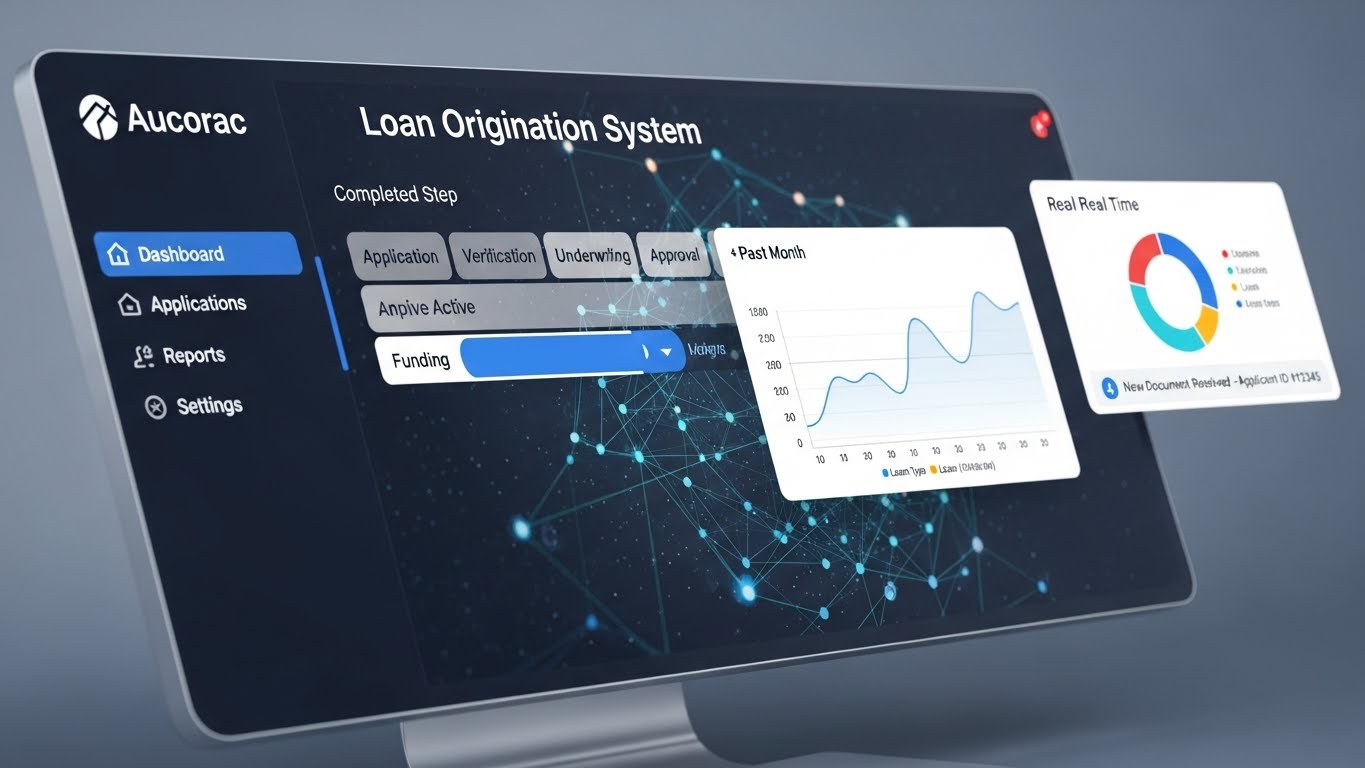
The financial sector is undergoing a remarkable transformation as borrowers increasingly demand faster approvals, transparent processes, and seamless digital experiences. Traditional lending processes, characterized by manual documentation, lengthy verification, and slow approvals, can no longer meet these expectations. To address these challenges, financial institutions are adopting an automated loan origination system, a solution designed to streamline the entire lending workflow while improving operational efficiency, compliance, and customer satisfaction.
A modern loan origination system automates every stage of the lending process, from borrower onboarding and document verification to credit scoring, approval, and disbursement. By integrating these functionalities into a single platform, lenders can accelerate processing times, reduce errors, and provide a consistent borrower experience. This is particularly crucial for banks, NBFCs, and fintech companies that handle large volumes of loan applications daily.
The Need for Automation in Lending
Manual loan processing is prone to delays, errors, and inconsistencies. Financial institutions face significant operational challenges when handling high volumes of applications or complex loan products. An automated loan origination system addresses these challenges by centralizing workflows, enabling standardized processing, and offering real-time visibility into every stage of a loan application.
Automation eliminates repetitive tasks such as data entry, document validation, and manual credit checks. It also integrates with credit bureaus, KYC verification services, and fraud detection tools to ensure accurate assessment of borrowers. This not only accelerates approvals but also reduces operational costs and enhances compliance across the organization.
Enhancing Borrower Experience with Automation
Borrowers today expect instant access to credit and minimal friction during the application process. An automated loan origination system enables lenders to provide a smooth, user-friendly experience by offering digital application portals, real-time status updates, and automated notifications. Customers can submit applications online, upload documents securely, and receive instant feedback on their eligibility.
Automation also improves transparency, allowing borrowers to track each step of their loan application. From application submission to final disbursal, every action is recorded, ensuring accountability and trust. By reducing manual intervention, institutions can significantly enhance customer satisfaction and retention.
Streamlining Internal Operations
Beyond borrower experience, an automated loan origination system streamlines internal workflows. Loan officers, underwriters, and compliance teams can collaborate more efficiently using centralized dashboards that display real-time application status. Automated decision-making engines evaluate creditworthiness based on predefined rules and predictive analytics, ensuring consistent and accurate results.
This streamlined approach reduces errors, speeds up approvals, and allows teams to focus on higher-value activities such as portfolio management, customer engagement, and strategic decision-making. By eliminating bottlenecks, institutions can process more applications without increasing operational overhead.
Transforming Loan Portfolios with Data-Driven Insights
One of the most significant advantages of a modern loan origination system is its ability to provide data-driven insights that help institutions in Transforming Loan Portfolios. Lenders can analyze trends in borrower behavior, assess the performance of different loan products, and identify emerging risks. These insights enable institutions to refine underwriting criteria, offer tailored loan products, and optimize interest rates to maximize returns.
By integrating analytics into the origination process, lenders can detect early warning signs of defaults, monitor delinquency rates, and proactively manage risk. The result is a healthier, more diversified loan portfolio that balances growth with sustainability. Data-driven strategies empower lenders to make informed decisions and improve profitability across their entire lending book.
Compliance and Risk Management
Compliance with regulatory standards is a critical aspect of modern lending. An automated loan origination system ensures that every loan application follows predefined rules and workflows, reducing the risk of human error and regulatory breaches. Automated audit trails track every action taken, providing transparency for internal teams and regulatory authorities.
Risk management is enhanced through real-time monitoring, predictive analytics, and integration with credit scoring engines. Institutions can assess the creditworthiness of borrowers accurately and take proactive measures to mitigate potential losses. By combining automation with analytics, lenders can maintain compliance, reduce operational risk, and strengthen their reputation in the market.
Integration with Digital Lending Ecosystems
An automated loan origination system integrates seamlessly with other digital lending solutions, including loan management systems, repayment tracking platforms, and mobile banking applications. This interoperability ensures that loan applications move smoothly through the entire lending lifecycle, from origination to repayment.
Integration with payment gateways and UPI-based credit solutions further enhances efficiency. Borrowers can repay loans digitally, while institutions can track payments, update records in real-time, and generate automated reminders. Such integration not only simplifies operations but also provides a seamless end-to-end experience for both lenders and borrowers.
Scalability and Flexibility
As lending volumes grow, institutions need systems that can scale quickly. An automated loan origination system supports scalability by accommodating large volumes of applications without additional manual effort. Cloud-based platforms allow lenders to expand operations geographically, introduce new loan products, and onboard additional users effortlessly.
Flexibility is another key advantage. Institutions can configure loan types, eligibility criteria, interest rates, and repayment schedules to meet market demands. This adaptability ensures that lenders can respond quickly to changes in customer needs or regulatory requirements, maintaining competitiveness in a dynamic market.
Top Companies Providing Loan Origination System Solutions
Several companies specialize in delivering robust loan origination solutions to support banks, NBFCs, and fintech companies. Here are some of the top providers, including the trusted Pennant:
Pennant is a leading provider of advanced loan origination systems. Their platform focuses on automation, flexible workflows, real-time analytics, and regulatory compliance. Pennant enables lenders to streamline borrower journeys, improve credit decisioning, and optimize portfolio performance while maintaining high standards of accuracy and efficiency.
Finastra offers comprehensive digital lending solutions with strong integration capabilities and advanced analytics. Their system is widely used by global financial institutions for origination, underwriting, and loan servicing.
Nucleus Software delivers loan origination platforms that prioritize automation, fraud detection, and real-time reporting. Their solutions are designed for banks and NBFCs seeking efficiency and reliability.
Temenos provides a scalable digital lending platform with seamless integration to core banking systems. Their loan origination system supports multiple product types and customer segments.
Oracle Financial Services Software offers a robust loan origination solution with workflow automation, compliance monitoring, and portfolio analytics, helping institutions improve accuracy and reduce risk.
These companies empower lenders to modernize their operations, reduce turnaround times, and deliver superior borrower experiences.
The Future of Borrower-Centric Lending
The future of lending will be shaped by automation, AI-driven analytics, and seamless digital integration. Borrowers will continue to demand faster approvals, personalized offerings, and transparent processes. Lenders that adopt automated loan origination systems will be better positioned to meet these expectations, maintain compliance, and optimize operational efficiency.
By leveraging real-time insights, predictive analytics, and end-to-end automation, institutions can transform their lending portfolios, minimize risk, and deliver a superior borrower experience. The adoption of automated systems is no longer optional—it is a strategic necessity for financial institutions seeking long-term growth and competitiveness.