
 By admin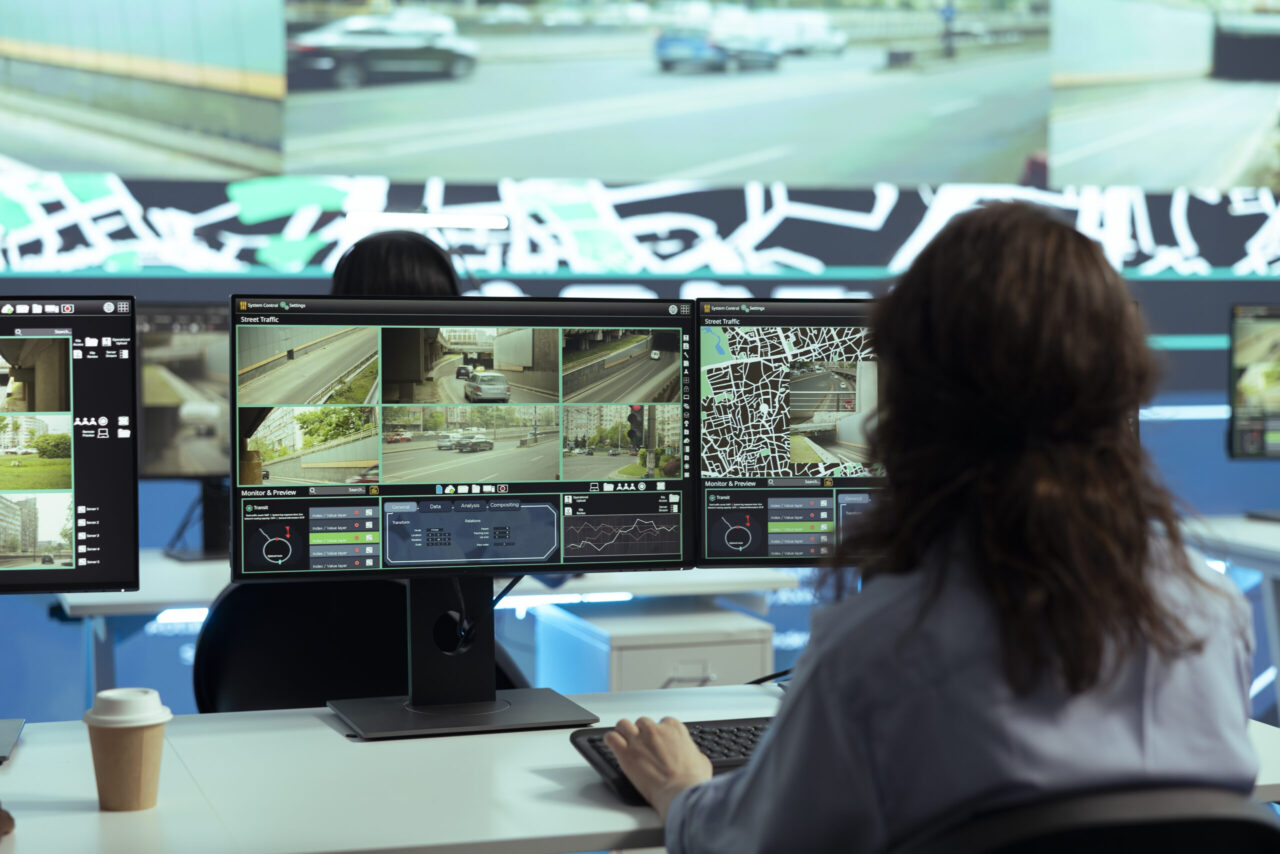
Cities around the world are rapidly transforming as urban populations continue to rise. With this growth comes increasing pressure on public safety, traffic management, emergency response, and overall governance. To meet these challenges, governments and municipalities are turning to advanced technologies built for real-time monitoring and intelligent decision-making. At the heart of this transformation lies the next-generation smart city surveillance system, a powerful integration of cameras, sensors, artificial intelligence, and data analytics designed to make cities safer, more efficient, and more responsive.
A modern smart city surveillance system does much more than record video footage. It interprets live data, anticipates threats, assists law enforcement, and improves city operations. By offering immediate situational awareness and predictive insights, these systems help cities move from reactive to proactive safety strategies—something traditional surveillance could never achieve.
Why Smart City Surveillance Matters Today
Urban environments are becoming increasingly complex. Traffic congestion, rising crime rates, emergency incidents, and large public gatherings create situations that require technology-driven oversight. A well-designed smart city surveillance system empowers authorities with real-time visibility across roads, public spaces, transportation hubs, and commercial zones.
These systems offer benefits such as intelligent video analytics, automated threat alerts, intruder detection, parking violation identification, crowd monitoring, and integration with emergency response platforms. By combining multiple streams of information into a single command center, cities can reduce response time, optimize resources, and enforce regulations more efficiently.
Furthermore, smart surveillance supports urban planning by highlighting patterns in movement, usage of public spaces, and safety hotspots. When data becomes insight, city leaders can make informed decisions that ultimately improve quality of life.
Essential Components of a Modern Smart City Surveillance System
A next-generation smart city surveillance system is far more advanced than standalone CCTV cameras. It typically includes:
High-definition and PTZ cameras
These cameras provide wide coverage with the ability to zoom, tilt, and pan across large areas. They capture precise details even in poor lighting.
AI-based video analytics
Analytics automatically detect suspicious activity, unauthorized access, abandoned objects, or traffic abnormalities. This minimizes the need for manual monitoring.
IoT sensors and devices
Sensors measure environmental conditions, detect movement, track vehicles, and monitor noise levels, contributing to a comprehensive safety system.
Integrated command and control centers
Centralized dashboards help authorities visualize live events and coordinate with police, firefighters, and emergency services.
Secure communication networks
Smart surveillance relies on reliable, secure data transmission to avoid any interruption in monitoring or analysis.
Together, these technologies create a robust system that not only enhances security but also contributes to smarter urban management.
The Rise of AI in Smart Cities
One of the most transformative developments in recent years is the rise of AI in smart cities, which significantly elevates the functionality of surveillance systems. Artificial intelligence enables automated detection, behavior analysis, and real-time decision-making across multiple city zones.
AI-driven cameras can identify patterns, detect anomalies, and trigger instant alerts without human intervention. For example, machine learning algorithms can differentiate between normal pedestrian movement and suspicious loitering. Similarly, traffic AI can analyze road congestion, identify speed violations, and ensure smooth flow during peak hours or emergencies.
This intelligent shift ensures a smart city surveillance system is not just a passive observer but an active participant in maintaining safety and operational efficiency. The use of predictive analytics also helps city administrators plan ahead, preventing incidents instead of reacting to them.
Applications of Smart City Surveillance Across Urban Environments
Smart surveillance is being deployed in numerous city operations, each contributing to public safety and improved governance.
Traffic Management
AI-enabled cameras help track vehicle flow, identify violations such as overspeeding or wrong-side driving, and reduce congestion by providing actionable insights.
Public Safety and Crime Prevention
Advanced surveillance identifies suspicious activities, monitors crowded spaces, and ensures timely intervention.
Emergency Response and Disaster Management
In case of fire, flood, or medical emergencies, surveillance systems help responders understand the situation immediately and coordinate rescue efforts.
Smart Parking Solutions
Cameras and sensors guide drivers in real-time, reduce illegal parking, and minimize congestion in busy areas.
Critical Infrastructure Protection
Airports, railway stations, power plants, and government buildings use smart surveillance to secure high-risk premises.
Each application demonstrates how integrated surveillance enhances overall city livability.
Top Companies Providing Smart City Surveillance System Solutions
The demand for smart city technologies has encouraged several global and Indian companies to innovate in this sector. Here are some of the leading names known for delivering reliable and advanced smart city surveillance system solutions:
Vehant Technologies
Vehant is a prominent provider of intelligent surveillance and security solutions for urban and public environments. The company specializes in AI-powered systems such as ANPR, traffic monitoring technologies, security scanning devices, video analytics solutions, and integrated surveillance platforms designed for smart cities. Vehant’s products are known for high accuracy, strong performance in challenging environments, and efficiency in law enforcement applications.
Honeywell
Honeywell delivers large-scale public safety and surveillance platforms tailored for smart cities. Their systems integrate IoT sensors, high-definition cameras, and automated alerts to support better decision-making.
Bosch Security Systems
Bosch provides AI-enabled cameras and video analytics solutions widely used in modern surveillance networks. Their systems perform predictive analysis and ensure reliability in mission-critical scenarios.
Hikvision
Hikvision offers a broad range of smart cameras, video management software, and city-wide monitoring systems. Their solutions help with traffic management, crowd control, and urban safety applications.
CP Plus
CP Plus delivers affordable and scalable surveillance solutions suitable for both small towns and major cities. Their products combine strong video quality with intelligent monitoring capabilities.
Together, these companies are shaping the evolution of smart city surveillance and supporting the development of safer urban environments.
How Smart Surveillance Enhances Citizen Confidence
Safety directly influences residents’ perception of a city. When surveillance supports quicker law enforcement, safer roads, and well-monitored public spaces, citizens feel more comfortable and secure. A city that invests in advanced surveillance also encourages business growth, tourism, and community development.
At the same time, transparency and responsible data governance must accompany surveillance initiatives. Cities that communicate clearly about their safety measures and respect privacy concerns gain higher public trust.
Challenges and the Path Forward
While smart city surveillance offers tremendous benefits, implementing such systems requires addressing challenges such as:
- Ensuring data security
- Managing large volumes of information
- Maintaining privacy standards
- Coordinating between multiple agencies
- Regularly updating AI models to avoid bias or inaccuracies
However, with proper planning, strong regulations, and ethical use of technology, cities can overcome these barriers and build efficient, safe, and intelligent urban ecosystems.
Conclusion
The next-generation smart city surveillance system is a cornerstone of modern urban development. By integrating cameras, sensors, AI, data analytics, and centralized monitoring, these systems empower cities to protect their citizens, streamline operations, and stay prepared for unforeseen challenges. With the rise of AI in smart cities, surveillance has become more precise, proactive, and capable of shaping safer communities.
As municipalities continue investing in digital transformation, smart surveillance will play an essential role in designing future-ready cities that prioritize safety, efficiency, and the well-being of all residents.