
 By Hellen Reta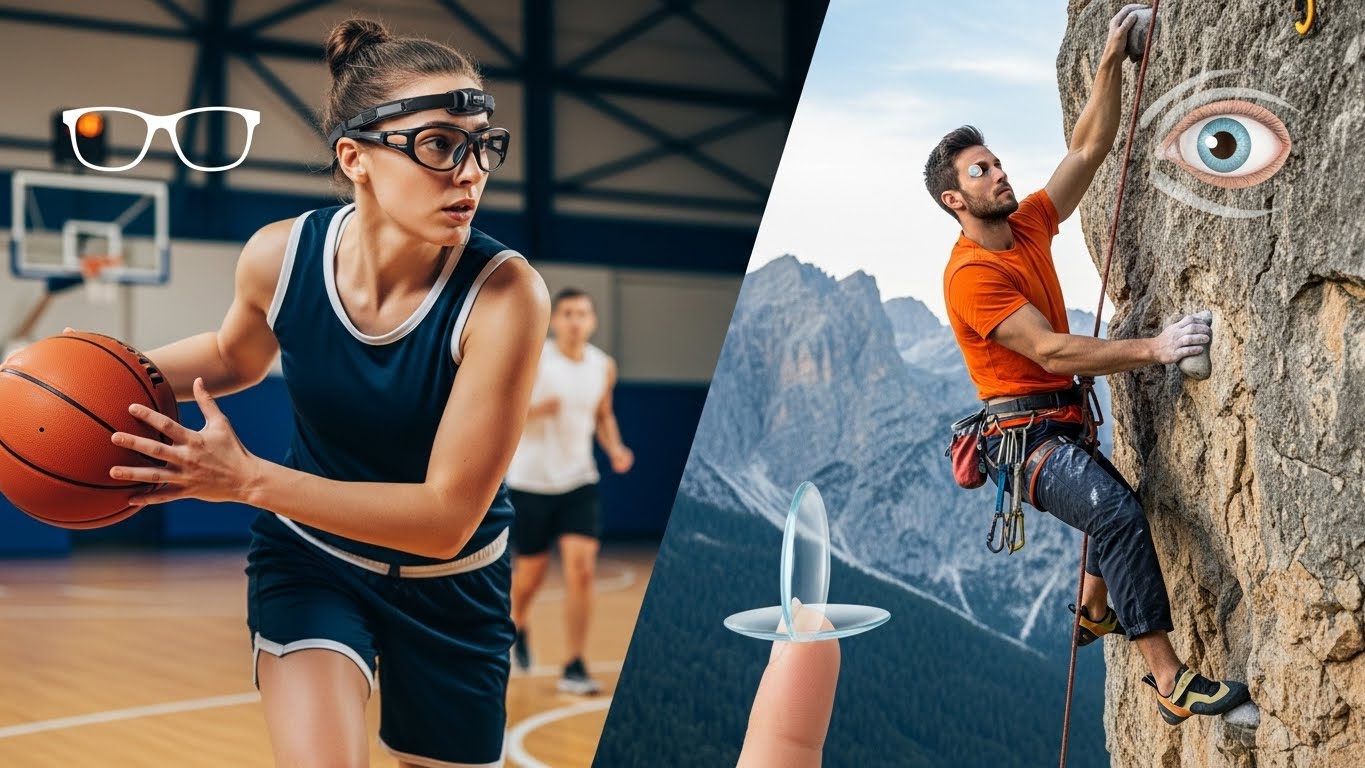
Staying active shouldn’t mean compromising on clear vision. Whether you’re a weekend warrior or a dedicated athlete, choosing the right vision correction can significantly impact your performance and safety. Understanding how glasses and contact lenses perform during physical activity helps you make the best choice for your athletic pursuits.
The Contact Lens Advantage in Sports
For most athletes, contact lenses are the gold standard for sports vision correction. They move naturally with your eyes, providing an unobstructed field of vision that’s crucial when tracking a ball, monitoring opponents, or navigating challenging terrain. Unlike glasses, contacts won’t bounce, slide, or fall off during intense movement.
The peripheral vision benefit cannot be overstated. Frames create blind spots that can affect your spatial awareness and reaction time. In sports like basketball, soccer, or tennis where split-second decisions matter, having complete peripheral vision gives you a competitive edge. Contact lenses eliminate this limitation entirely.
Many professional athletes buy contact lenses online for convenience and cost savings, stocking up on their preferred brand to ensure they never run out during training or competition. Daily disposable lenses are particularly popular among athletes because they’re fresh, sterile, and require no maintenance between workouts.
When Glasses Make Sense for Athletics
Despite contact lenses dominating sports vision correction, glasses have their place in certain activities. Sports-specific eyewear with prescription lenses has advanced considerably. Wraparound frames with impact-resistant polycarbonate lenses provide protection while correcting vision, making them ideal for cycling, skiing, or shooting sports.
For low-impact activities like golf, bowling, or casual walking, regular glasses work perfectly fine. Many people prefer wearing their everyday frames rather than dealing with contact lens insertion before a leisurely activity. Prescription sunglasses also serve double duty, correcting vision while protecting against UV rays and glare.
The key advantage of sports glasses is protection. They shield your eyes from flying debris, dust, wind, and UV radiation. Some sports, particularly racquetball and squash, actually recommend protective eyewear regardless of vision correction needs.
Sport-Specific Considerations
Different sports present unique challenges for vision correction. Contact sports like football, rugby, or martial arts make glasses impractical and potentially dangerous. A stray elbow or collision could break frames and cause serious eye injury. Contact lenses eliminate this risk entirely.
Water sports create a different dilemma. Swimming with contact lenses isn’t recommended due to infection risks from waterborne bacteria. However, prescription swim goggles offer an excellent alternative. For activities like surfing or water skiing where goggles aren’t practical, daily disposable contact lenses combined with tight-fitting water goggles provide a workable solution.
Indoor sports like basketball or volleyball generate sweat that can fog up glasses and obstruct vision at critical moments. Contact lenses avoid this problem completely, staying clear regardless of how much you perspire. The same applies to winter sports where temperature changes cause constant fogging issues with glasses.
Performance and Safety Factors
Vision clarity during sports directly affects performance and safety. Contact lenses provide superior optical quality because they sit on your eye’s surface, moving with your natural gaze. This eliminates the distortion that can occur when looking through different parts of eyeglass lenses, especially with stronger prescriptions.
Depth perception improves with contact lenses since both eyes receive equal magnification. This matters tremendously in sports requiring precise hand-eye coordination like baseball, cricket, or golf. Even slight visual discrepancies can affect your ability to judge distances accurately.
Practical Tips for Active Individuals
If you’re committed to contact lenses for sports, keep these practices in mind. Always carry a backup pair and your glasses in your gym bag. Eye irritation can happen unexpectedly, and you’ll want an alternative. Never sleep in your contact lenses after workouts, even if you’re exhausted. Proper hygiene prevents infections that could sideline you from your favorite activities.
For glasses wearers participating in sports, invest in a quality sports strap that keeps frames secure. Anti-fog coating and ventilated frames help manage moisture buildup. Consider having a dedicated pair of sports glasses separate from your everyday frames.
Finding Your Best Solution
Your sport, frequency of participation, and personal comfort should guide your decision. Serious athletes typically find that contact lenses provide the freedom and visual performance they need. Recreational participants might prefer glasses for convenience, especially if their sport doesn’t involve intense physical contact or rapid head movements.
Many active people maintain both options, using contact lenses during actual sports participation and switching to glasses for pre-game preparation, post-workout recovery, or gym sessions focused on strength training rather than cardio. This flexible approach ensures you always have the right vision correction for whatever activity you’re pursuing.